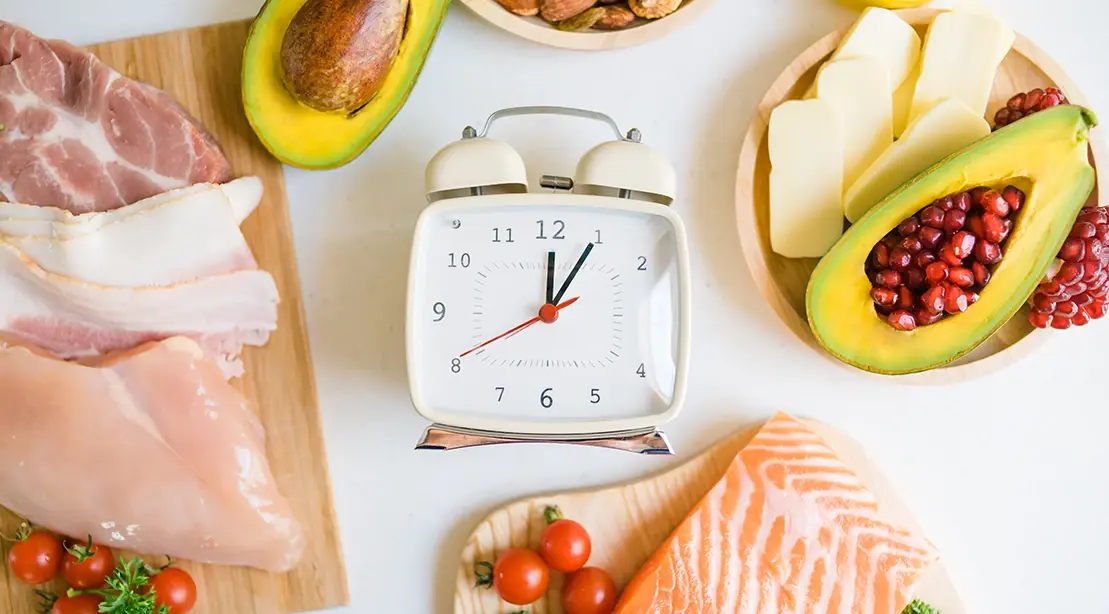
It seems like everybody is talking about intermittent fasting right now. And if you want to know what the hype is all about, you’re in the right place. And furthermore, if you want to supercharge your health goals, intermittent fasting might just be the secret sauce you’ve been searching for. It’s not just a fad diet but a lifestyle approach that can bring a range of benefits to your entire body. And your overall well-being!
In this blog post, we’ll dive into five ways that intermittent fasting can help you achieve your health goals. So, let’s jump right in!
1. Support Your Wellness Journey
If getting rid of those extra pounds is on your health agenda, intermittent fasting can be your best friend. Restricting your eating window may help control your hunger and calorie intake, leading to helping you feel your best.
It also enhances hormone sensitivity and boosts metabolism, making your body an efficient machine. Basically, it’s like giving your body a chance to tap into its fat reserves and utilize them for fuel.
2. Cellular Renewal and Autophagy
Ever heard of autophagy? It’s your body’s natural cellular recycling and repair process. Intermittent fasting can kick autophagy into high gear. During fasting periods, your body switches gears from storing energy to cellular repair and rejuvenation.
This process can help remove damaged cells, toxins and even harmful proteins from your body. So, intermittent fasting gives your cells the much-needed opportunity to regenerate and renew, promoting overall health and longevity.
3. Longevity Boost
Speaking of longevity, intermittent fasting has also been associated with increased lifespan. Caloric restriction, a component of intermittent fasting, has been shown to extend the lifespan of various organisms in scientific studies.
While the direct impact on human longevity is still under investigation, the potential anti-aging effects and improved cellular health that come with intermittent fasting suggest that it might play a role in promoting a longer, healthier life.
4. Improved Insulin Sensitivity
Intermittent fasting has shown promise in improving insulin sensitivity, helping regulate blood glucose levels effectively.
By giving your body regular breaks from food, you provide it with an opportunity to reset and optimize insulin function, thereby reducing the risk of insulin resistance.
5. Enhanced Mental Clarity
If you’re seeking mental clarity and improved cognitive function, intermittent fasting might be just what the doctor ordered. Studies suggest that it stimulates the production of a protein called brain-derived neurotrophic factor (BDNF), which promotes brain health and protects against age-related decline.
Fasting has also been linked to increased focus, mental sharpness and improved memory retention. So, say hello to enhanced productivity and mental acuity!
The Bottom Line…
From supporting you on your wellness journey to improved insulin sensitivity, enhanced mental clarity to cellular renewal, and even potential longevity benefits, intermittent fasting offers a holistic approach to better health.
So, if you’re ready to take the leap, give intermittent fasting a try and unlock the incredible benefits it has to offer. And if you need a little extra support like supporting your wellness journey, curbing cravings and skyrocketing energy levels to SMASH your workouts, then check out the AM/PM Thermo Stack.
With all the hustle and bustle of everyday life, it’s easy to underestimate the importance of a good night’s sleep. With countless responsibilities and distractions vying for our attention, sleep often takes a backseat. However, poor sleep can have detrimental effects on our overall well-being.
In this blog post, we’re going to explore six convincing reasons why skimping on sleep can be downright toxic to your health. But don’t worry, we’ve got a potential solution to help you improve your sleep quality and wake up feeling like a champ.
Reason 1: Foggy Brain Syndrome
You know those days when your brain feels like it’s running on empty? And you can’t focus on pretty much anything? Yes, poor sleep can absolutely lead to impaired cognitive function.
Think decreased concentration, fuzzy memory, and even a hard time solving simple problems. It’s like trying to think through a fog. Not cool!
Reason 2: Immune System SOS
Did you know that sleep is like a superhero for your immune system?
Getting quality sleep is essential for your body to produce proteins, like cytokines, that support your immune system. Without enough rest, your body might not be as equipped to keep you feeling your best.
Reason 3: Chronic Conditions Alert
Here’s a reality check: Consistent sleep deprivation can negatively impact your health, increasing the likelihood of issues related to heart health, helping you feel your best, and overall well-being.
Poor sleep messes with your hormones and metabolism, setting the stage for these health issues. Yikes!
Reason 4: Emotional Rollercoaster
Ever had one of those days where you’re on the edge of snapping at anyone who crosses your path?
Lack of sleep can turn you into an emotional rollercoaster. It heightens negative emotions and messes with your ability to keep them in check. So, get ready for a wild ride if you don’t catch enough Zzzs.
Reason 5: The Battle of the Bulge
If you’re trying to shed some pounds, you might want to pay attention to your sleep patterns. Poor sleep messes with the hormones that control your appetite, making you feel hungrier and triggering those pesky cravings.
Reason 6: Mental Health Matters
Sleep and mental well-being are closely connected. Lack of quality sleep can impact mood and overall well-being, potentially affecting emotional balance.
But the good news is that improving your sleep quality can actually have a positive impact on your mental well-being. It’s a win-win!
Meet Night Shred and Night Shred Black
If you’re tossing and turning at night, we’ve got your back! Night Shred and Night Shred Black are little sleep superheroes specially designed to help you relax, enhance your sleep quality, and even help you lose and maintain your weight.
Night Shred is packed with natural ingredients like melatonin, chamomile, and valerian root that team up to help you unwind and enjoy a well-deserved rest. Plus, it’s got some compounds to give your weight management journey an extra boost!
For those who prefer Zylaria over ashwagandha, Night Shred Black steps up to the plate. With ingredients like GABA, L-theanine, and 5-HTP, it not only promotes deep and restorative sleep but also helps balance your mood and reduce stress. Not sure which one will work best for you?
Both Night Shred and Night Shred Black are carefully crafted to help you achieve the sleep of your dreams, boost your overall well-being, and wake up energized and ready to conquer your day!
Do you find yourself “hangry” all the time? Or notice your secret sugar cravings showing up on your waistline?
We all know that managing hunger can be a real challenge. But fear not! We’ve got your back with 3 hacks to get you through your worst hangry times, and hopefully save you a couple pounds — and a few inches off your waistline. So keep reading!
Hack #1 – Power up with protein
When it comes to taming hunger, protein is your best friend. It not only keeps you feeling fuller for longer, but it also supports muscle growth and repair. Make sure to include protein-rich foods in your diet, such as lean meats, fish, eggs, legumes and dairy products.
And if you’re looking for a convenient way to up your protein intake, we’ve got you covered with our premium whey or plant-based protein. They’re both packed with high-quality protein to help you stay satiated and maintain your lean muscle mass. Trust us, your taste buds and waistline will thank you!
Hack #2 – Embrace fiber-filled foods
If you’re looking for a natural way to curb your appetite, fiber is your secret weapon. Foods rich in fiber take longer to digest, keeping you feeling satisfied for hours.
Stock up on fruits like apples, berries, and oranges, as well as vegetables like broccoli, Brussels sprouts and spinach. Whole grains, nuts and seeds are also excellent sources of fiber. Incorporate them into your meals and snacks to stay full and nourished throughout the day.
Hack #3 – The game-changing hunger control hack — Carb Cut Complete!
Are you ready for a sustainable solution to hunger cravings? Say hello to Carb Cut Complete, the revolutionary product that can support your wellness journey to the next level! This cutting-edge formula is designed to help you control your carbohydrate intake and support your wellness journey.
Carb Cut Complete is a specially crafted nutritional supplement that works by reducing the enzymatic breakdown and absorption of carbohydrates. By inhibiting the digestion of carbs, it helps prevent those post-meal energy crashes and the subsequent hunger pangs that often derail your progress.
But that’s not all! Carb Cut Complete also contains natural ingredients that promote feelings of fullness and satisfaction, further enhancing your efforts. It’s like having a secret weapon in your pocket to combat those nagging cravings and keep you on track with your goals.
With Carb Cut Complete, you can enjoy your favorite meals without worrying about the potential impact on your waistline. It’s the perfect companion for those who want to strike a balance between their love for food and their desire for a healthy, trim physique.
So, what are you waiting for? Take control of your hunger, support your wellness journey, and unlock your full potential with Carb Cut Complete!
Remember, supporting your wellness journey is all about finding what works best for you. Incorporate these hunger hacks into your routine, and don’t be afraid to explore new strategies. You’ve got this! Stay determined, stay motivated and get ready to rock your journey toward a healthier, happier you.
Healthy living is trending upward, but the truth is many people struggle to find foods that they can eat without gaining weight. This is partly due to the modern diet of ultra-processed, high-calorie, high-fat foods, which can contribute to weight gain — not to mention a host of health issues — over time.
Eating foods that are low in calories but high in nutrients can provide a variety of health and well-being benefits. These “nutrient-dense” foods can help ensure that the body gets the vitamins, minerals and other essential nutrients it requires without eating too many calories. They also help to increase energy, improve mental clarity and support a healthy immune system.
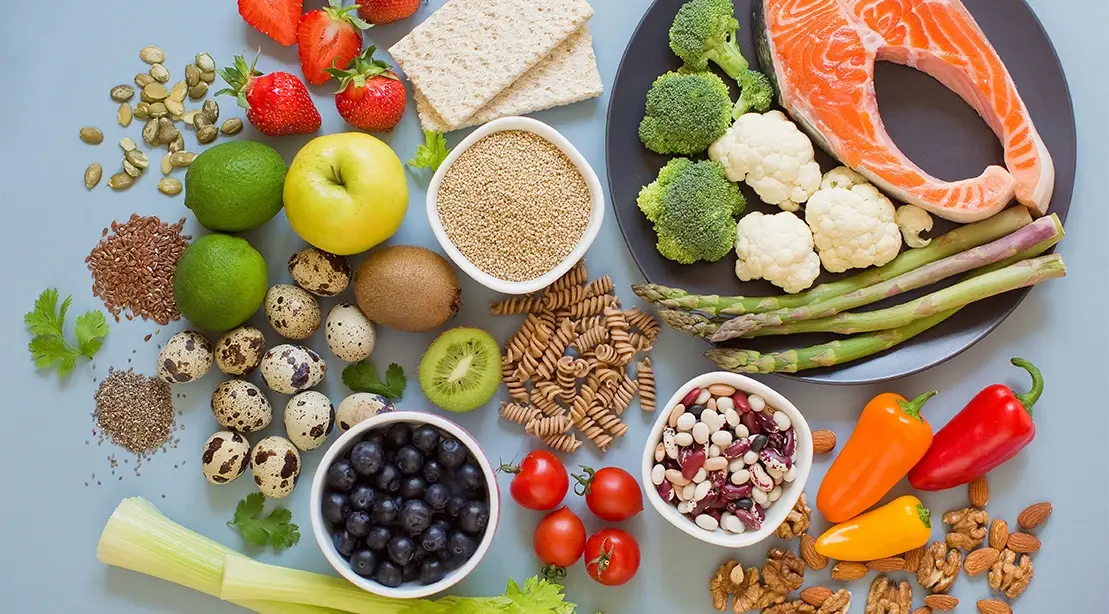
Eating healthy doesn’t have to consist of boring meals of chicken, veggies and rice! And you can eat more than just tofu. So we’ve rounded up a list of the top 10 delicious foods you can indulge in without worries of packing on the pounds.
These foods range from high satiating foods to veggies made up mostly of water that will keep you feeling nice and full without the guilt!
1. Tomatoes
Tomatoes are not only a delicious addition to meals but also a fantastic choice for helping you feel your best. With their high water content and low calorie count, they make for a satisfying and hydrating snack. They are also rich in lycopene, a powerful antioxidant that supports overall wellness and heart health.
Tomatoes are also known for their skin and health benefits, as well as their versatility in meal recipes and snacks. They’re packed with vitamins, including A and C, potassium, chromium and folate. Plus they are a good source of fiber.
2. Blueberries
Blueberries, like other berries, are a low-calorie snack coming in at 85 calories per serving. In addition to their properties, blueberries are full of flavor and nutritional benefits. These small berries are loaded with vitamins, minerals, and antioxidants that support overall well-being.
Blueberries are particularly known for their brain-supporting properties and cognitive benefits. They’re also a good source of fiber and taste delicious when paired with yogurt, oatmeal, or pancakes.
3. Grapefruit
Grapefruit is often touted as a superfood for good reason. Its high water and fiber content make you feel full, helping you control your hunger and manage your calorie intake. Moreover, grapefruit contains compounds that can enhance the body’s ability, making it an excellent choice for those aiming to shed pounds.
Grapefruit contains magnesium, potassium, and vitamin C, which supports overall wellness. Did you know that a whole grapefruit contains just a few hundred calories and meets 60% of your daily vitamin C needs?
4. Broccoli
While some people avoid green veggies like the plague, broccoli is a cruciferous vegetable that should definitely be on your radar. Not only is it low in calories, but it’s also packed with nutrients that support overall health.
Broccoli is rich in fiber, which aids digestion and helps keep you feeling satisfied. It’s also a good source of vitamins A and C, which are essential if you want a strong immune system.
5. Cauliflower
Cauliflower is a versatile vegetable that can be enjoyed in various forms, from roasted florets to cauliflower rice. It’s an excellent choice for helping you feel your best, because it is low in calories and high in fiber, which aids in digestion and helps prevent overeating.
Cauliflower is also rich in vitamin C, which supports collagen production for healthy skin.
6. Celery
Celery is made up of mostly water — up to 95% is water content — making it filling and low in calories. It’s packed with several vitamins and nutrients, including folate, fiber, potassium, and vitamins A, C, and K.
With only 6 calories per serving, celery is a crunchy and refreshing snack that can help curb your appetite while providing essential nutrients. It can also help reduce bloating and water retention due to its electrolyte content.
7. Greek yogurt
Greek yogurt is popular in the health and fitness community due to its high protein content and probiotic benefits. The protein in Greek yogurt helps promote satiety and supports muscle recovery after exercise.
Additionally, the probiotics in Greek yogurt promote a healthy gut microbiome, which plays a role in helping you feel your best and overall well-being.
8. Chia seeds
Chia seeds are a powerhouse of nutrition that can aid in helping you feel your best. These tiny seeds are rich in fiber, which expands in the stomach and promotes a feeling of fullness. They also contain healthy fats and protein, making them a satisfying addition to meals and snacks.
Chia seeds can be soaked to create a gel-like consistency, making them a great base for puddings or as an egg substitute in baking recipes.
9. Coconut
Coconut is a unique food that offers a range of health benefits while being a tasty addition to your diet. Despite being high in fat, coconut is most made up of medium-chain triglycerides (MCTs), which are metabolized differently by the body compared to other fats. MCTs are quickly made into energy, so they’re less likely to be stored as body fat.
Coconut is also rich in fiber, which aids digestion and helps keep you feeling satisfied.
10. Salmon
Salmon is not only a delicious seafood option but also a nutrient-packed choice for helping you feel your best and overall health. Loaded with high-quality protein and healthy fats like omega-3s, salmon promotes satiety and supports heart health. Its impressive nutrient profile makes it an excellent post-workout meal. If we had to choose, it’s one of the healthiest foods to add to your diet.
The bottom line…
To sum it all up, eating a healthy diet is critical to achieving and maintaining a healthy weight. Fortunately, there are many foods that won’t cause you to gain weight, such as leafy greens, berries and eggs. Incorporating the AM/PM Thermo Stack into supporting your wellness journey can also be beneficial in terms of boosting metabolism, increasing energy levels, promoting relaxation and decreasing hunger.
Let’s get real for a moment and talk about something that affects all of us: our digestive health. To be even more specific — pooping, or going #2. We all know that regular bowel movements are essential for overall well-being, but sometimes things just don’t flow as smoothly as they should.
If you’re finding yourself in the uncomfortable situation of not pooping regularly, don’t worry, you’re in the right place! In this blog post, we’ll explore five possible reasons behind this common issue and offer some practical solutions. So, grab a cup of some tummy tea (or not!), get comfortable, and let’s dive in!
You lack fiber in your diet
Are you consuming enough fiber? As we age, our bodies undergo various changes, and one of them is a decrease in digestive efficiency. Including an adequate amount of fiber in your diet can help keep things moving along.
Fiber adds bulk to your stool and helps prevent constipation. Opt for whole grains, fruits, vegetables and legumes. And don’t forget to drink plenty of water! Hydration is key to ensuring the fiber does its job effectively.
You don’t get a lot of exercise
Do you find yourself sitting for long periods during the day? Being sedentary can slow down your digestive system, leading to irregular bowel movements.
Regular exercise, even something as simple as taking a brisk walk, can stimulate your digestive system and promote regularity. So, get up and get moving! Your digestive system will thank you.
You ignore the urge to go
Are you in the habit of ignoring the urge to go when nature calls? Ignoring the urge to poop can lead to a disruption in your body’s natural rhythm. Over time, this can result in constipation and irregular bowel movements.
Pay attention to your body’s signals and make it a priority to visit the restroom when you feel the urge. Your body knows best!
You take certain medications or supplements
Certain medications and supplements can have an impact on your bowel movements. For example, antidepressants, iron supplements and calcium supplements are known culprits that can cause constipation.
If you suspect that your medication or supplements are affecting your bowel regularity, consult your healthcare provider. They may be able to suggest alternatives or adjustments to your regimen.
You may have heightened levels of tension or unease.
Finding healthy ways to manage stress, such as meditation, deep breathing exercises, or engaging in hobbies you enjoy, can help regulate your bowel movements and promote overall well-being.
The bottom line…
Remember, everyone’s body is unique, so it’s essential to pay attention to your own symptoms and consult a healthcare professional if you have persistent concerns.
Making small lifestyle changes, like increasing fiber intake, staying active, listening to your body, and managing stress, can go a long way in promoting regularity and a healthier digestive system.
You can also try a natural supplement like Inno Cleanse to help get things going. It contains natural ingredients that work FAST — like within 24 to 48 hours — to help flush out toxins that accumulate in your gut and intestines. and will give your gut a reset, so to speak.
So, let’s prioritize our bowel health and get back to feeling our best!
Swollen, twisted varicose veins can truly put a damper on your confidence. Not to mention that sometimes they can be painful. But fear not, because today we’re diving into the world of natural remedies to help prevent varicose veins from wreaking havoc on your legs. Plus, we’ve got a fantastic solution that can lend a helping hand. Let’s jump right in!
1. Keep it Moving
One of the best ways to keep varicose veins at bay is to stay active. Remember, your legs love movement as much as you do! Regular exercise helps improve blood circulation, which is key in preventing those unsightly veins from popping up.
Whether it’s walking, jogging, dancing, or hitting the gym, find an activity that makes you feel good and gets those legs pumping.
2. Embrace a Healthy Diet
Believe it or not, the food you eat plays a role in keeping varicose veins in check. A diet rich in fiber, antioxidants, and flavonoids can work wonders. Load up more healthy foods in your diet: fresh fruits, veggies, whole grains and lean proteins.
Don’t forget to hydrate too! Drinking plenty of water helps maintain optimal blood flow and keeps your veins happy.
3. Elevate Your Legs
After a long day of conquering the world, your legs need some well-deserved TLC. Elevating your legs above heart level for 15 minutes a day can alleviate pressure and encourage blood to flow smoothly.
Grab a comfy cushion, put your feet up, and indulge in a little relaxation time. You deserve it!
4. Ditch the Tight Clothing
Ladies and gentlemen, it’s time to bid farewell to those tight skinny jeans, leggings and constricting waistbands. Opt for loose-fitting clothes that don’t squeeze your legs too tightly. Restrictive clothing can impede blood circulation and put you at risk for developing varicose veins. So, embrace comfort without compromising on style!
5. Nitro Wood to the Rescue
Now, here’s where our fantastic solution steps in to lend a helping hand. Say hello to Nitro Wood from Inno Supps! Nitro Wood has ingredients specially designed to promote blood flow, and reduce leg discomfort and swelling — all things that may help prevent varicose veins.
The bottom line…
Preventing varicose veins doesn’t have to be a daunting task. By incorporating these natural remedies into your lifestyle, it may help you wave goodbye to those unwelcome veins and say hello to healthier legs. Remember to stay active, eat well, give your legs a break, and embrace the power of circulation and blood-flow-boosting supplements like Nitro Wood. Your legs will thank you!
So, what are you waiting for? Take charge of your leg health today and keep varicose veins at bay. Embrace the beauty of healthier legs and strut your stuff with confidence!
With sunny days just around the corner, it’s time to revamp our eating habits and embrace a healthier lifestyle. Whether you’re looking to rock your favorite swimsuit or simply feel your best during the summer months, adopting a nutritious diet is key to get in shape and ready for summer.
In this blog, we’ll dive into some fantastic tips for healthy eating to help you get summer-ready. And stick around until the end because we have to tell you about something a little extra that will supercharge your results. Let’s get started, shall we?
1. Hydration for the win
Staying hydrated is crucial, especially as temperatures get warmer. Make water your best friend! Aim for at least 8 glasses a day to keep your body hydrated and your skin glowing. You can even jazz up your water with slices of citrus fruits, cucumber or mint leaves for a refreshing twist.
2. Embrace fresh, colorful produce
Load up on fresh fruits and vegetables to fuel your body with essential vitamins, minerals and antioxidants. Opt for a rainbow of colors like vibrant berries, leafy greens, and juicy watermelon. These nutrient powerhouses will keep you feeling energized and ready to tackle your summer adventures, not to mention help with hydration.
3. Choose lean proteins
Fuel your muscles and support your active lifestyle with lean proteins. Incorporate sources like skinless chicken, turkey, fish, tofu or legumes into your meals. You can also opt for lean cuts of red meat. They provide essential amino acids for muscle recovery and growth and will get you that much closer to helping you achieve that toned summer physique.
4. Control your portions
While indulging in your favorite summer treats is a part of the fun, it’s important to practice mindful portion control. Treat yourself occasionally but strive for balance. Listen to your body’s hunger and fullness cues, savor each bite, and aim for smaller, balanced portions to keep your goals on track.
5. Home cooking, anyone?
Cooking your meals at home allows you to have full control over the ingredients and portion sizes. Experiment with fresh herbs and spices to enhance flavors without adding excessive calories or sodium. You can find plenty of healthy recipes online. You can even try new cooking techniques and involve friends or family for a fun culinary experience.
6. Get Inno Shred — your secret weapon for summer success!
If you’re trying to meet your summer goals and take them to the next level, we have to tell you about Inno Shred! Packed with natural ingredients like green tea extract, caffeine and L-carnitine, Inno Shred helps boost metabolism and enhance focus. Basically, EVERYTHING you need to shed those unwanted pounds in time for summer. It’s the perfect companion to your healthy eating and exercise routine, giving you that extra edge to achieve your summer body goals.
The bottom line…
Remember that nourishing your body with wholesome foods is essential. Like they say, abs are made in the kitchen!! And by following these healthy eating tips and incorporating Inno Shred into your routine, you’ll be well on your way to achieving the summer-ready body and vibrant well-being you desire.
Embrace the warmth, embrace the flavors, and get ready to shine this summer!
Are you someone who often finds themselves mindlessly munching on snacks or meals? Maybe you’re eating while scrolling through your phone or watching TV, and before you know it, your plate is empty, and you don’t even remember what you just ate. If this sounds familiar, you might want to consider practicing mindful eating.
So what exactly is mindful eating, you ask? Mindful eating is a practice that involves paying attention to the food you’re eating, the sensations you’re experiencing, and the thoughts and emotions that arise while you’re eating. It’s about being present and fully engaged in the experience of eating.
So, how can you practice mindful eating? Here are a few tips:
1. Get rid of distractions
One of the keys to mindful eating is to eliminate distractions while you’re eating. That means no phones, no TV, no laptops, and no books. When you’re eating, focus solely on the food in front of you and the experience of eating it.
2. Slow down
Mindful eating is all about taking your time and savoring each bite. Try to eat slowly and really focus on the flavors, textures, and aromas of your food. This can also help you tune in to your body’s hunger and fullness signals, which can help prevent overeating.
3. Engage your senses
When you’re eating, try to engage all of your senses. Notice the colors, smells, textures, and flavors of your food. Take the time to appreciate the sensory experience of eating.
4. Check-in with your emotions
Eating is not just a physical experience; it’s also an emotional one. Pay attention to the thoughts and emotions that arise while you’re eating. Are you eating because you’re hungry, or because you’re bored or stressed? Checking in with your emotions can help you develop a healthier relationship with food.
5. Practice gratitude
Finally, take a moment to feel grateful for the food you’re eating. Whether you’re enjoying a home-cooked meal or a quick snack, express gratitude for the nourishment it provides your body.
Practicing mindful eating can help you develop a deeper appreciation for food and a more positive relationship with eating. So, the next time you sit down to eat, try these tips and see how they can enhance your eating experience.
Do you find yourself struggling to stick to healthy habits or routines? Whether you’re trying to establish a regular exercise routine, eat more nutritious foods, or improve your mental health, building healthy habits takes time, effort and persistence. But the good news is, anyone can do it. With the right mindset and a few simple strategies, you can start building daily habits that will have a positive impact on your well-being and help you reach your goals.
But where do you begin? With so much advice out there, it can be overwhelming to know where to start. That’s why we’ve compiled a list of 10 practical tips to help you build healthier habits and transform your daily routine. From starting small and setting clear goals to staying accountable and practicing self-care, these tips will provide you with the tools and guidance you need to make lasting changes. So whether you’re just starting out on your journey to healthier habits or looking to take your existing routine to the next level, let’s dive in and explore how you can build daily habits that stick.
1. Start small.
It’s essential to begin with small, manageable changes when building new habits. Begin with one or two small, manageable changes to your routine, and gradually build up to more challenging habits. This approach makes it easier to maintain motivation and helps prevent burnout.
For example, if your goal is to start running every morning, start by walking for 10 minutes each day and gradually increase the intensity and duration of your workout. The key is to build momentum slowly and consistently.
2. Be specific.
Defining exactly what you want to achieve is critical to building healthy habits. Plus, it helps you stay motivated and focused.
For example, instead of setting a goal to “exercise more,” set a specific goal to “run three times a week for 30 minutes each time.” The more specific your goal, the easier it is to measure your progress and stay on track.
3. Make a plan.
Writing down your goals and creating a plan for how you will achieve them will help you stay organized and focused. When creating your plan, break down your goals into smaller, more manageable steps. Set deadlines for each step and hold yourself accountable for completing them.
This approach helps you stay organized and focused, and it can also help you identify potential obstacles and plan ways to overcome them.
4. Track your progress.
Keep track of your progress and celebrate your achievements along the way. This will help you stay connected and committed to your goals. Tracking your progress helps you see how far you’ve come, celebrate your achievements, and stay motivated.
You can use a journal, an app, or any other tracking tool that works for you. Set small milestones along the way and celebrate each one as you reach it.
5. Stay accountable.
Share your goals with someone you trust and ask them to hold you accountable for staying on track. Sharing your goals with someone you trust and asking them to hold you accountable is an effective way to stay on track.
When someone else knows your goals, you’re more likely to stay committed and motivated. Choose someone who will support and encourage you, and who will hold you accountable in a positive way.
6. Practice self-care.
Take care of yourself physically, mentally and emotionally. This will help you stay focused and motivated. When you feel good about yourself, you’re more likely to stay motivated and committed to your goals.
Make time for regular exercise, healthy eating, and getting enough sleep. Also, practice self-compassion and give yourself permission to rest and recharge when you need it.
7. Create a routine.
Develop a consistent routine that includes healthy habits such as exercise, eating nutritious foods and getting enough sleep. When you make healthy habits part of your daily routine, they become easier to maintain over time.
Identify the best times of day to engage in healthy activities, and stick to your routine as much as possible.
8. Eliminate distractions.
Identify and eliminate any distractions that may be hindering your ability to build healthy habits. Distractions can make it difficult to stay focused and motivated, and they can also lead to procrastination.
Identify your most significant distractions and take steps to remove or minimize them. For example, turn off your phone notifications during your workout, or set aside specific times of day to check your email or social media.
9. Stay positive.
Maintain a positive attitude and believe in yourself. Remember that building healthy habits takes time and effort, and it’s okay to make mistakes along the way.
Focus on your progress and celebrate your achievements, no matter how small they may seem. When you maintain a positive attitude, you’re more likely to stay motivated and committed to your goals.
10. Be patient.
Finally, be patient with yourself. Building healthy habits is a journey, not a destination, and it takes time to create lasting change. Don’t expect overnight results, and don’t be too hard on yourself if you slip up.
By following these 10 tips, you can build daily habits that will help you live a happier, healthier life. Remember, building healthy habits is a process! It requires time, effort, and most of all, commitment. But with the right mindset and strategies, you can make lasting changes that will improve your well-being and transform your daily routine.
Are you ready to transform your body and achieve your fitness goals?
Building lean muscle and losing body fat can be challenging, but with the right approach, it’s absolutely achievable. No, you can’t bulk and lean at the same time, but it is possible to build lean muscle and still keep your body fat to a minimum.
In this blog post, we’re going to give you 8 tips to help you build lean muscle and lose body fat. From nutrition and exercise to sleep and hydration, we’ll cover everything you need to know to get the results you’re looking for. So let’s dive in and start building that dream physique!
1. Eat 4 to 5 small meals spaced 3 to 4 hours apart.
When you eat smaller meals more frequently, you keep your metabolism humming along at a steady pace. This means your body is constantly supporting weight management goals, even when you’re not exercising.
When it comes to building muscle, eating small meals spaced throughout the day ensures that your body is getting a constant supply of nutrients to help repair and rebuild muscle tissue. This is especially important after a workout, when your muscles are in need of fuel to recover and grow.
When you eat large meals, your body can only process so much at once, and the excess is stored as fat. Eating smaller, more frequent meals helps keep your appetite in check and can prevent this from happening.
2. Try to drink at least a gallon of water every day!
When it comes to building muscle, hydration is key. Your muscles are made up of about 75% water, and they need water to function properly. When you’re well-hydrated, your muscles are better able to contract and work hard during your workouts. This can lead to more efficient muscle growth and improved strength.
In addition, drinking plenty of water can help you lose body fat. When you’re dehydrated, your body can’t metabolize fat as efficiently, which can make it harder to lose weight. Staying well-hydrated can help your body flush out toxins and waste products, which can help you shed unwanted pounds.
Drinking a gallon of water every day can also help you feel fuller and more satisfied. This can prevent overeating and snacking on unhealthy foods, which can sabotage your weight management and muscle-building efforts.
3. Avoid fatty foods and foods high in simple sugars.
Fatty foods are high in calories and can contribute to weight gain. When you eat too many calories, your body stores the excess as fat.
Foods high in simple sugars, such as candy, soda, and pastries, can also sabotage your efforts to build lean muscle and lose body fat. These foods are high in calories and can leave you feeling tired and hungry.
Instead of reaching for fatty foods and foods high in simple sugars, focus on eating a balanced diet that includes plenty of fruits, vegetables, lean proteins, and complex carbohydrates. These foods provide the nutrients your body needs to build lean muscle and lose body fat without the added calories and unhealthy fats.
4. Do not skip meals.
Your body doesn’t get the nutrients it needs to function properly when you skip meals. This can leave you feeling tired, sluggish, and unable to perform at your best during workouts. In addition, skipping meals can slow down your metabolism, making it harder to lose weight and build lean muscle.
When you skip meals, your body doesn’t get the protein, carbohydrates, and other nutrients it needs to repair and rebuild muscle tissue. This can slow down your progress and make it harder to reach your goals.
Skipping meals can also lead to feelings of hunger, irritability, and low energy. This can make it harder to stick to your diet and exercise routine. Instead, focus on eating a balanced diet that includes plenty of lean protein, complex carbohydrates, and healthy fats.
5. Prioritize weight training.
When you lift weights, you’re putting stress on your muscles, which causes tiny tears in the muscle fibers. This might sound like a bad thing, but it’s actually what helps your muscles grow and become stronger. When your body repairs the muscle fibers, it creates new, stronger muscle tissue. This is how weight training helps you build lean muscle.
But weight training doesn’t just help you build muscle. It also helps you support weight management goals. When you lift weights, your body uses stored fat as fuel to power your workouts. And as you build more muscle, your body becomes more efficient at supporting weight management goals, even when you’re not exercising.
Weight training boosts overall health and fitness by improving balance, coordination, and bone density. It also helps lower the risk of injury and supports long-term well-being.
6. Prepare meals ahead of time and schedule eating times into your daily routine.
When you prepare your meals ahead of time, you have more control over what you’re eating and how much you’re eating. This can help you make healthier choices and avoid the temptation to eat unhealthy, high-calorie foods on the go.
In addition, scheduling eating times into your daily routine can help you stay on track with your fitness goals. When you have a set time to eat, you’re less likely to skip meals or overeat later in the day. This can help you maintain a steady supply of nutrients throughout the day, which is important for building lean muscle and losing body fat.
Finally, preparing your meals ahead of time and scheduling eating times into your daily routine can help reduce stress and save time. When you’re not constantly worrying about what you’re going to eat or when you’re going to eat it, you can focus more on your workouts and other activities that are important to you. Check out our Beginner’s Guide to Meal Prepping blog for more tips and tricks.
7. Stick to 65-70% carbs, 15-20% protein and 10-15% fat per meal.
Carbohydrates are your body’s primary source of energy, so it’s important to get enough of them to fuel your workouts and daily activities. By aiming for 65-70% of your calories to come from carbs, you can ensure that your body has enough energy to power through your workouts and build lean muscle.
When you lift weights, you create tiny tears in your muscle fibers, and your body needs protein to repair and rebuild those fibers. By aiming for 15-20% of your calories to come from protein, you can ensure that your body has the nutrients it needs to build and maintain lean muscle.
Fat helps your body absorb vitamins and minerals, and it plays a role in hormone production and brain function. By aiming for 10-15% of your calories to come from fat, you can ensure that your body is getting the right balance of nutrients to support your fitness goals.
8. Get at least 7-9 uninterrupted hours of sleep each night.
First of all, sleep is essential for recovery and repair of your muscles. When you sleep, your body produces growth hormone, which helps your muscles recover and rebuild after your workouts. If you’re not getting enough sleep, your body may not be able to produce enough growth hormone to support muscle growth and recovery.
In addition, sleep plays a key role in regulating hormones that affect appetite and metabolism. When you don’t get enough sleep, your body produces more of the hormone ghrelin, which stimulates appetite, and less of the hormone leptin, which helps you feel full. This can lead to overeating and weight gain.
Sleep also affects your body’s ability to use insulin effectively. When you don’t get enough sleep, your body becomes less sensitive to insulin, which can lead to insulin resistance and increased fat storage.
Finally, sleep is important for overall health and well-being. Lack of sleep can lead to stress, mood swings, and a weakened immune system, which can all negatively impact your ability to build muscle and lose fat.
If you need help maximizing your sleep with a natural solution, Night Shred or Night Shred Black is your best bet.
The bottom line…
Achieving your fitness goals takes hard work and dedication, but by following these eight tips, you’ll be well on your way to building lean muscle and losing body fat.
And if you need an extra boost, try our Summer Shred Stack (AND it includes Night Shred or Night Shred Black!). Your muscles will shine through once you shred off that extra fat!
Let’s face it, losing weight is tough no matter what age you are.
But if you’re over 40, you know first-hand that losing weight can feel like an uphill battle. As we age, our metabolism slows down, making weight management a real challenge. But don’t give up hope just yet. With the right strategies, losing weight can still be possible.
In this blog post, we’ll explore the struggles of trying to lose weight when you’re over 40 and provide 6 tips to help boost your weight management efforts.
First come the challenges. Here are some of the most common factors that come into play that make the weight management struggle real for the mature crowd:
Slower metabolism: As we age, our metabolism slows down, making it harder to shred calories.
Busy schedule: With work, family, and other responsibilities, finding time to exercise and prepare healthy meals can be a real challenge.
Increased stress: Stress levels tend to rise as we get older, which can make it harder to stick to healthy habits.
Lack of motivation: After years of trying to lose weight wi th little success, it’s easy to feel discouraged and give up.
So what can you do to overcome these struggles and achieve your weight management goals? Here 6 tips to help boost weight management in people over 40:
1. Find an activity or exercise you enjoy
The name of the game is movement and to stay active, so it helps if you can shred calories doing something you love. Dancing, walking, hiking, take up a sport, go bowling, walk the dog — your options are endless. Basically anything that motivates you to get up and move. This way, you’re more apt to do it consistently, which is a major key to losing and maintaining weight.
2. Prioritize strength training
Strength training is essential for maintaining muscle mass and preventing age-related muscle loss. As we age, we naturally lose muscle, which can slow down our metabolism and make weight management even more challenging.
By incorporating strength training into your exercise routine, you can help preserve muscle mass and boost your metabolism. Aim to strength train at least two to three times a week, focusing on major muscle groups such as your legs, back, and chest.
As you get older, it’s especially important to prioritize high-quality protein sources such as lean meats, fish, eggs, and legumes. These foods are not only rich in protein but also contain other important nutrients like iron and zinc.
You should also try to focus more on cooking whole foods and eating at home, which may be a healthier option than eating out.
4. Get enough sleep
Getting enough sleep is crucial for weight management, especially as we age. Lack of sleep can increase levels of the hormone cortisol, which can lead to weight gain and make it harder to lose weight. Aim for 7-8 hours of sleep per night and try to establish a consistent sleep schedule.
As we mentioned earlier, increased stress levels can make it harder to stick to healthy habits. Finding ways to reduce your stress levels can be a game-changer for weight management.
Consider incorporating stress-reducing activities into your daily routine, such as yoga, meditation, or deep breathing exercises.
6. Find an accountability partner
Having someone to hold you accountable can be incredibly helpful when trying to lose weight. Consider finding a friend or family member who shares your weight management goals and can provide support and encouragement along the way.
Alternatively, you can also hire a personal trainer or join a weight management support group.
The Bottom Line…
Losing weight when you’re over 40 can be a real challenge, but it’s not impossible. By incorporating these 6 tips into your weight management plan, you can help boost your metabolism, preserve muscle mass, and achieve your weight management goals.
You can also try a natural thermogenic product that will help you support weight management goals quicker, so you can reach your goals just in time for pool season!
Remember, consistency is key, and small changes over time can lead to big results. So don’t give up hope, keep pushing forward, and you’ll be on your way.
As we get older, it’s important to take care of our brains, just as we take care of our bodies. But did you know that there are fun hobbies you can do to boost brain health?
So we’ve rounded 10 hobbies you can try to keep your brain sharp and healthy…
1. Playing an Instrument
Learning how to play an instrument requires coordination, memory and creativity – all of which are great for the brain. Whether you’re picking up a guitar for the first time or dusting off your old piano, playing music is a great way to stimulate your brain and have fun at the same time
2. Learning a New Language
Learning a new language can be challenging, but it’s also incredibly rewarding. It requires you to memorize vocabulary, understand grammar rules, and practice speaking and listening. These activities keep your brain active and engaged, supporting overall cognitive health.
3. Doing Crossword Puzzles
These classic games are brain builders, and for good reason. They require you to use logic, memory, and vocabulary skills to solve clues and fill in the blanks. Plus, they’re a great way to pass the time on a rainy day.
4. Playing Strategy Games
Games like chess, checkers, and even video games like Tetris challenge you to think strategically and plan ahead. Engaging in these activities may support problem-solving skills and promote mental sharpness.
5. Reading
Reading is a great way to exercise the brain and expand your knowledge. Whether you’re reading fiction or nonfiction, your brain is constantly processing information, making connections, and building new neural pathways.
6. Dancing
Dancing requires coordination, balance and rhythm – all of which are great for the brain. Plus, it’s a fun way to get exercise and socialize with others.
7. Painting or Drawing
Artistic hobbies like painting or drawing require creativity and focus. They can help improve hand-eye coordination, spatial reasoning, and even relieve stress.
8. Cooking or Baking
Cooking or baking requires you to follow recipes, measure ingredients and use critical thinking skills to troubleshoot problems. Plus, it’s a great way to nourish your body and enjoy delicious food.
Learning a New Skill
Whether it’s knitting, woodworking or coding, learning a new skill can be a great way to challenge your brain and keep it active. It requires you to learn new information, practice new techniques, and problem-solve along the way.
10. Exercise
Exercise isn’t just good for the body – it’s also great for your mind. Regular physical activity helps keep your brain sharp, supports mental clarity, and promotes overall cognitive well-being, including strengthening areas of the brain involved in learning.
You can also try this to keep your brain in tip-top shape…
There are a ton of supplements on the market that claim to support brain health. This one is a metabolism-boosting brew with natural ingredients designed to support mental clarity, promote memory and focus, and help combat mental fatigue, Inno Spresso offers a smooth and steady energy boost. Unlike many other energy supplements, it’s thoughtfully formulated to deliver focus and vitality without unwanted jitters or crashes.
So, if you’re looking to boost brain health and improve focus, concentration and mental cognition while stimulating metabolism and thermogenesis, look no further than Inno Spresso!